Introduction
Bringing a puppy home is exciting, but potty accidents can quickly become frustrating. A consistent routine makes housebreaking easier for both you and your puppy. The right Puppy Potty Training Schedule: How to Housebreak in 7 Days provides a practical starting point for building reliable bathroom habits.
Although some puppies show progress within a week, complete housebreaking often takes several weeks or months. Age, health, previous experiences, and consistency all influence the process. Therefore, focus on steady improvement rather than expecting perfection after seven days.
With patience, positive reinforcement, and a predictable schedule, your puppy can learn where and when to relieve themselves.
Why a Puppy Potty Training Schedule Matters
Puppies have small bladders and limited control over their bathroom needs. They often need to go immediately after waking up, eating, drinking, or playing. Without a routine, recognizing these moments becomes more difficult.
A puppy potty training schedule creates predictable opportunities for bathroom breaks. It also helps you identify your puppy’s natural habits. Over time, your puppy begins connecting outdoor trips with the opportunity to relieve themselves.
Consistency is especially important during the first few weeks. Everyone in your household should follow the same routine and reward successful outdoor potty breaks.

Puppy Potty Training Schedule: Daily Routine
Your puppy’s age determines how frequently they need bathroom breaks. Young puppies generally need more frequent opportunities than older puppies. A schedule should remain flexible enough to accommodate individual needs.
Start by taking your puppy outside immediately after waking up. Offer another bathroom break after meals, drinking, naps, and play sessions. Before bedtime, provide one final opportunity to relieve themselves.
During the day, take very young puppies outside approximately every 30–60 minutes while they are awake. Older puppies may manage longer intervals, depending on their development and individual needs.
For example, a morning bathroom trip might happen at 6:30 a.m., followed by breakfast and another trip outside. Continue offering regular opportunities throughout the afternoon and evening.
Overnight, your puppy may still need bathroom breaks. Set an appropriate routine based on age, previous overnight behavior, and veterinary advice.
Remember that a schedule is a guide rather than a strict rule. If your puppy starts sniffing, circling, whining, or suddenly wandering away, take them outside immediately.
How to Housebreak a Puppy in 7 Days
Day 1: Establish a Consistent Routine
Begin by introducing your puppy to a designated outdoor potty area. Take them there immediately after waking up and after every meal. Use the same entrance and location whenever practical.
Choose a simple verbal cue, such as “go potty.” Say it calmly when your puppy reaches the appropriate area. When they finish, reward them immediately with a small treat and enthusiastic praise.
Supervise your puppy closely indoors. Keep them near you instead of allowing unrestricted access to the entire house. This helps you recognize early bathroom signals and prevent accidents.
Day 2: Recognize Bathroom Signals
On the second day, observe your puppy’s behavior more carefully. Sniffing the floor, circling, squatting, and suddenly leaving a play area can indicate an upcoming accident.
Take your puppy outside as soon as you notice these signals. Continue using the same verbal cue and reward successful outdoor elimination.
Record approximate bathroom times if possible. This simple habit helps reveal patterns and makes future scheduling easier.
Day 3: Reinforce Positive Habits
By the third day, your puppy may begin connecting outdoor trips with rewards. However, progress varies, and some puppies need additional time.
Continue taking your puppy outside after waking, eating, drinking, and playing. Avoid reducing bathroom breaks simply because the previous day went well.
Reward the behavior you want to encourage. Use treats, praise, or a short play session immediately after your puppy finishes outside.
Day 4: Improve Indoor Supervision
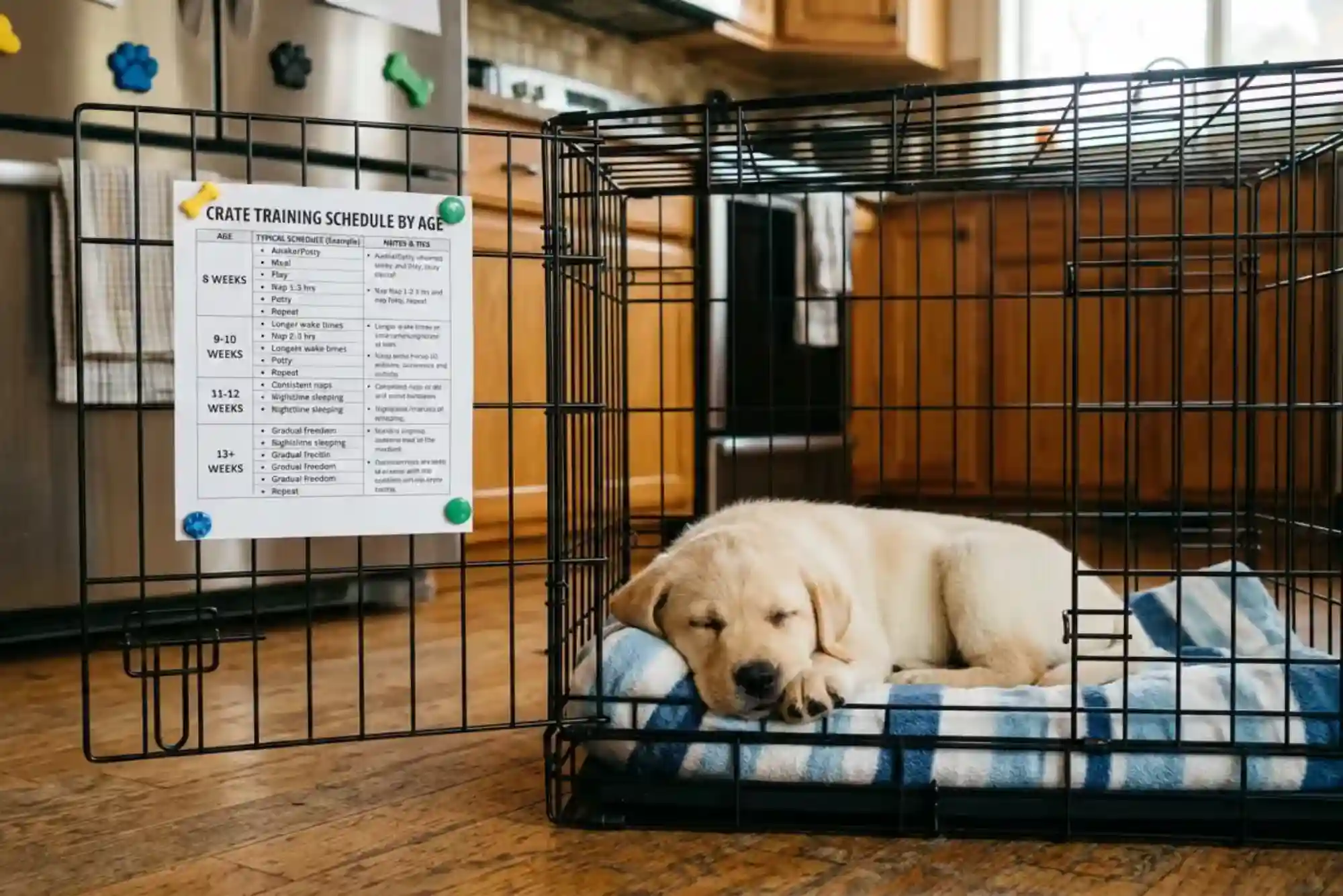
On the fourth day, focus on preventing accidents inside your home. Keep your puppy within sight whenever possible. Baby gates or a properly introduced playpen can help create a manageable environment.
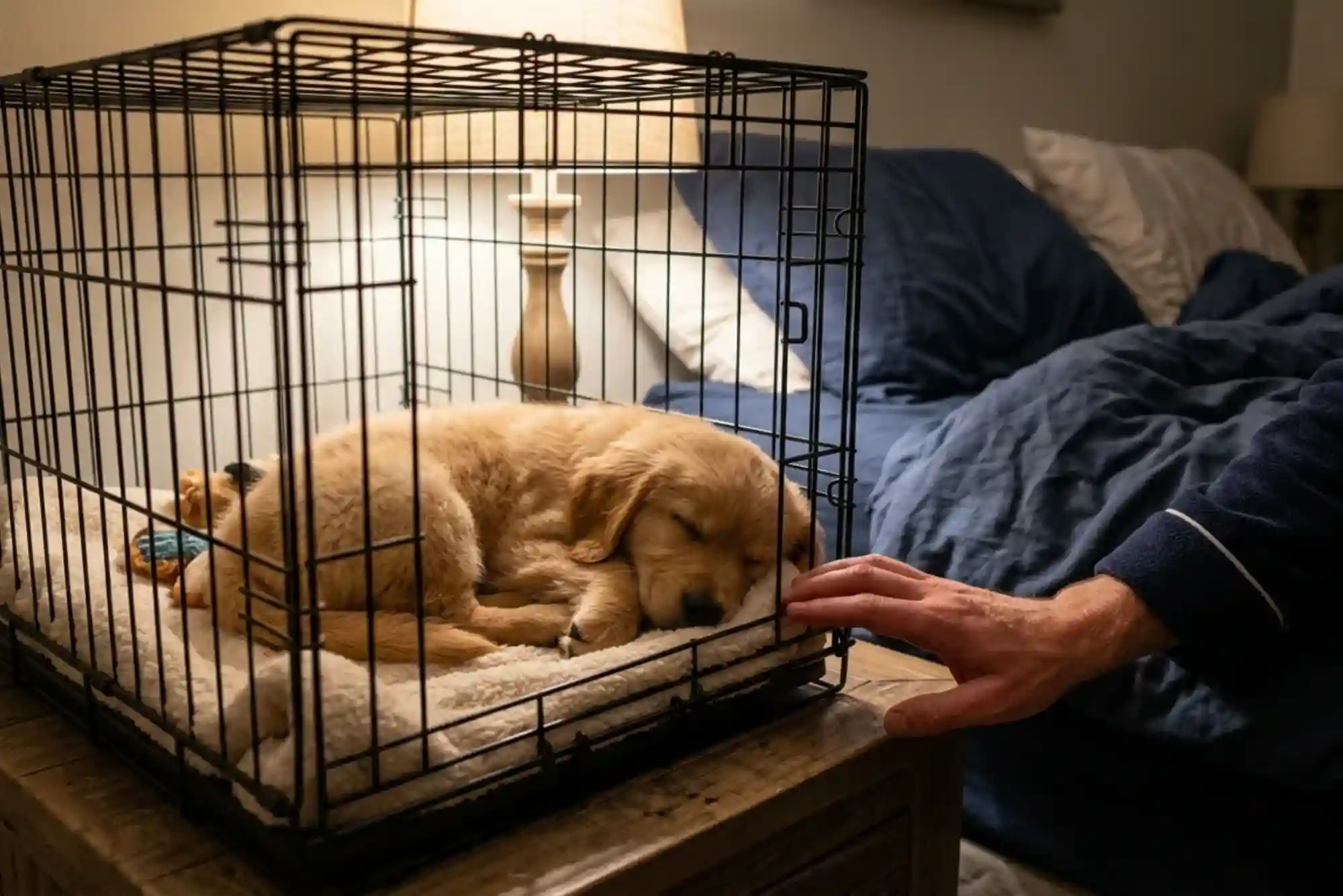
If you cannot supervise your puppy, use a safe, appropriately sized confined area. Never rely on confinement to make a young puppy hold their bladder beyond their ability.
Continue following the established potty schedule. Gradually, you may notice fewer accidents and more predictable bathroom habits.
Day 5: Build Better Communication
By day five, watch for your puppy’s attempts to communicate bathroom needs. Some puppies move toward the door, while others become restless or vocal.
You can teach a simple communication signal, such as sitting near the door. A potty bell can also work when introduced gradually with rewards.
However, always respond to likely bathroom signals. Your puppy is still learning and may not communicate consistently.
Day 6: Test Small Increases in Freedom
If your puppy has been successful, allow supervised access to another small area of your home. Keep the usual bathroom routine unchanged.
Watch your puppy carefully in the new space. Unfamiliar rooms can distract puppies and lead to unexpected accidents.
If accidents return, reduce their indoor freedom temporarily. This is not failure; it simply means your puppy needs more practice before gaining additional independence.
Day 7: Review Progress and Maintain Consistency
On the seventh day, review what your puppy has learned. Consider whether accidents have decreased and whether bathroom times are becoming more predictable.
Continue rewarding successful outdoor trips and responding quickly to bathroom signals. Do not stop supervision because the first week has ended.
The goal of this seven-day plan is to establish a foundation. Reliable housebreaking develops through repetition, maturity, and consistent reinforcement.
Common Puppy Potty Training Mistakes to Avoid
One common mistake is waiting too long between bathroom breaks. Puppies cannot reliably hold their bladder for extended periods, particularly when they are very young.
Another mistake is punishing accidents. Shouting, rubbing a puppy’s nose in a mess, or using physical punishment can create fear without teaching the correct behavior.
Instead, interrupt an accident gently if you catch it happening. Take your puppy outside and reward them if they finish there. If you discover the mess later, clean it without punishment.
Inconsistent routines can also slow progress. Different household members should follow similar feeding times, bathroom opportunities, and reward methods.
Finally, avoid relying entirely on puppy pads if your long-term goal is outdoor toileting. Pads may be useful in certain living situations, but switching between indoor and outdoor locations can require additional training.
How to Clean Puppy Accidents Properly
Even with a good puppy potty training schedule, accidents are normal. Cleaning them thoroughly helps prevent your puppy from returning to the same spot.
Use an enzymatic pet cleaner designed to break down urine odors. Ordinary household cleaners may remove visible stains without eliminating the scent that attracts dogs.
Follow the product instructions carefully and keep your puppy away from the area until it is safe. Avoid cleaners containing ingredients that may irritate pets.
If accidents repeatedly occur in one location, temporarily restrict access while reinforcing outdoor bathroom habits.
When Should You Contact a Veterinarian?
Frequent accidents do not always indicate a training problem. Urinary tract infections, digestive issues, parasites, and other medical conditions can affect bathroom habits.
Contact your veterinarian if your puppy suddenly starts having more accidents after making progress. Seek prompt veterinary attention for blood in the urine, painful urination, repeated straining, or unusually frequent attempts to urinate.
Repeated straining with little or no urine can indicate an emergency. Do not wait for training to improve if your puppy appears uncomfortable or unwell.
Excessive thirst, diarrhea, or persistent difficulty controlling elimination also deserves professional assessment.
Frequently Asked Questions
How long does it take to potty train a puppy?
Some puppies develop a basic routine within a week, but complete housebreaking often takes several weeks or months. Progress depends on age, health, supervision, and consistency.
How often should I take my puppy outside to pee?
Very young puppies may need bathroom breaks every 30–60 minutes while awake. Always take them outside after sleeping, eating, drinking, and playing. Adjust the frequency according to your puppy’s signals and progress.
Should I wake my puppy up at night to pee?
Young puppies often need overnight bathroom breaks. Depending on their age and individual needs, you may need to set an alarm for a quiet trip outside. As bladder control develops, overnight breaks can gradually become less frequent.
What is the fastest way to potty train a puppy?
The most effective approach combines frequent bathroom opportunities, close supervision, predictable routines, and immediate rewards. Avoid punishment and respond consistently to your puppy’s bathroom signals.
Why is my puppy still having accidents after seven days?
Seven days is a starting period, not a guaranteed deadline. Puppies develop bladder control at different rates, and new environments can cause temporary setbacks. Continue the routine and consult a veterinarian if accidents are frequent, sudden, or accompanied by concerning symptoms.
Conclusion
A reliable Puppy Potty Training Schedule: How to Housebreak in 7 Days helps you establish healthy bathroom habits through structure, patience, and positive reinforcement. Your puppy may make noticeable progress during the first week, but lasting success requires continued practice.