
Introduction
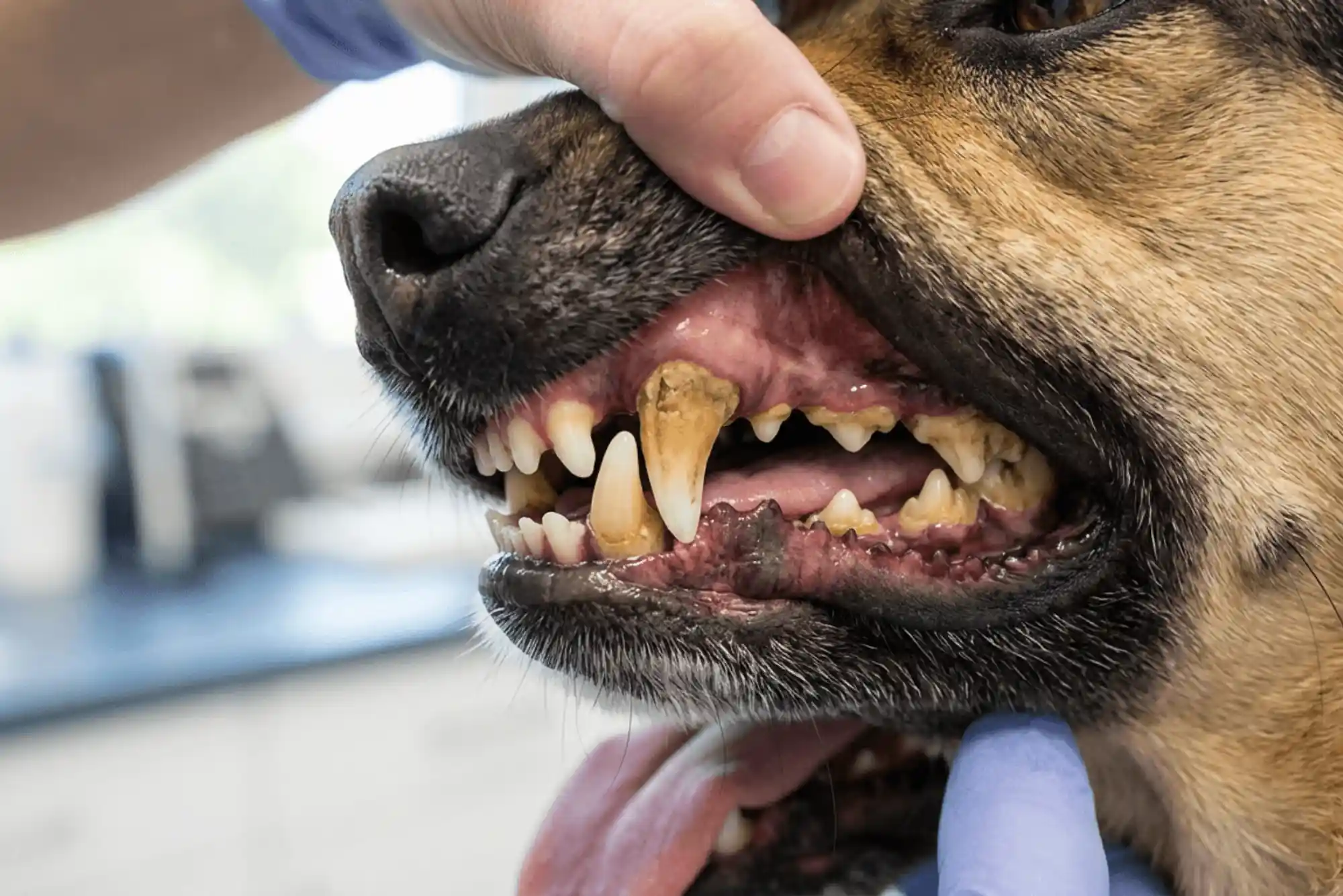
Tartar buildup leads directly to gingivitis, which causes red, swollen, and bleeding gums. Left untreated, gingivitis quickly progresses into canine periodontal disease. This irreversible condition destroys the supportive structures around the teeth, leading to bone loss, severe pain, and tooth loss. Furthermore, bacteria from infected gums enter the bloodstream and spread to vital internal organs.
Understanding how to clean dog teeth at home: preventing periodontal disease is the best defense against systemic illness. By establishing a proactive oral care routine, you protect your dog from kidney failure, heart disease, and liver damage. A clean mouth ensures a happier, healthier, and longer life for your furry companion.
Recognizing the Signs of Periodontal Disease in Dogs
Detecting dental issues early saves your dog unnecessary suffering and reduces expensive veterinary bills. Periodontal disease often develops silently, but attentive owners can spot subtle warning signs. Paying close attention to changes in your dog’s mouth helps you intervene before permanent damage occurs.
Persistent foul breath that smells distinctly rotten or sour
Yellow, brown, or crusty buildup along the gumline
Red, inflamed, swollen, or bleeding gums during eating
Difficulty chewing, dropping food while eating, or eating on one side
Excessive drooling, sometimes accompanied by blood or discharge
Loose, shifting, or missing adult teeth
Pawing at the face, rubbing the muzzle on carpet, or head shaking

If you observe severe symptoms like bleeding or loose teeth, visit a veterinarian immediately. While daily home care maintains healthy teeth, advanced periodontal disease requires professional scaling, polishing, or extractions under anesthesia.
How to Clean Dog Teeth at Home: Preventing Periodontal Disease
Building a consistent dental routine takes time, patience, and positive reinforcement. Introducing tooth brushing gradually helps your dog view the experience as a rewarding habit rather than a stressful chore. Follow these step-by-step instructions to master canine dental care safely at home.
Gather the Proper Dental Supplies
Never use human toothpaste or human toothbrushes on your dog. Human toothpaste contains ingredients like xylitol and fluoride, which are highly toxic to dogs. Xylitol causes a rapid drop in blood sugar and severe liver failure. Instead, purchase pet-safe toothpaste formulated with enticing flavors like poultry, beef, or peanut butter. Choose a soft-bristled canine toothbrush or a flexible silicone finger brush.
Desensitize Your Dog to Mouth Handling
Start slowly by getting your dog comfortable with touch around their muzzle. During calm moments, gently lift your dog’s lips and stroke their gums with your finger. Dip your finger in enzymatic pet toothpaste or broth so they associate the touch with a tasty treat. Repeat this short desensitization process daily for a week until your dog sits willingly.
Introduce the Toothbrush Gently
Once your dog accepts finger touching, introduce the toothbrush. Apply a small amount of pet toothpaste to the bristles and let your dog lick it off. Gently lift the lip and place the bristles against the outer surfaces of the upper teeth. Move the brush in light circular motions, focusing on the area where the tooth meets the gumline.
Focus on Key Areas and Establish a Routine
Focus primarily on the outside surfaces of the upper cheek teeth and canines. Plaque accumulates fastest on these outer areas due to saliva flow and food contact. You do not need to scrub the inner surfaces near the tongue, as canine saliva naturally cleans that area. Aim to brush for thirty to sixty seconds per side, praising your dog continuously.
Reward with Positive Reinforcement
End every brushing session on a positive note. Offer a high-value treat, verbal praise, or a fun game of fetch immediately after finishing. This creates a strong positive association, making future brushing sessions smooth and stress-free for both you and your pet.
Alternative Home Methods to Combat Canine Plaque
Brushing is the gold standard for canine dental care, but combining multiple tools yields the best results. If your dog resists brushing, several effective alternatives can help slow down plaque accumulation.
Enzymatic Dental Sprays and Gels
Enzymatic sprays and gels offer a quick way to control oral bacteria. These products contain active enzymes that break down plaque and neutralize bad breath. Simply apply the gel or spray directly onto the teeth and gums. Your dog’s natural licking motion spreads the active ingredients across all tooth surfaces without requiring any manual scrubbing.
Dental Water Additives
Water additives function like a gentle mouthwash for dogs. You add a measured liquid dose directly into your pet’s daily drinking water. Safe, odorless additives inhibit bacterial growth, break down plaque film, and keep breath fresh. This passive method is an excellent supplement for picky pets or multi-dog households.
Dental Chews and Treat Products
Veterinary-approved dental chews use mechanical abrasion to scrape away plaque as your dog chews. Select chews certified by the Veterinary Oral Health Council (VOHC) to ensure proven effectiveness. Avoid hard items like real animal bones, antlers, and synthetic nylon toys, which frequently cause painful tooth fractures.
Specialty Dental Diets
Specially formulated kibble can help manage dental health in prone breeds. Dental diets use larger kibble pieces with a matrix texture that resists crumbling immediately. As the dog’s tooth penetrates the kibble, the fibers wipe plaque off the tooth surface. Consult your veterinarian to determine if a prescription dental diet fits your dog’s nutritional needs.
Veterinary Professional Cleanings vs. Home Care
A comprehensive approach to oral health balances daily home care with professional veterinary care. Understanding how these two practices complement each other ensures your dog receives thorough protection against dental decay.
Daily home care stops fresh plaque from turning into hard tartar. However, home brushing cannot remove established tartar deposits or clean deep beneath the gumline. That is why professional veterinary cleanings remain essential throughout your dog’s life.
During an anesthetized dental examination, your veterinarian performs full-mouth dental X-rays to assess root health beneath the gums. They use specialized ultrasonic scalers to remove stubborn tartar above and below the gumline. Finally, they polish the teeth to smooth out micro-scratches that attract future plaque.
Combining brushing with annual veterinary checkups guarantees complete protection. Early professional intervention catches hidden problems like root abscesses before they cause severe pain.
Frequently Asked Questions
How often should I clean my dog’s teeth at home?
You should brush your dog’s teeth every day for optimal results. Daily brushing prevents soft plaque from hardening into calculus. If daily brushing is challenging, aim for at least three to four times per week to maintain effective control over bacterial growth and bad breath.
What home remedy cleans dog teeth best?
Regular brushing with VOHC-approved enzymatic toothpaste is the single most effective home remedy. Enzymatic toothpaste breaks down plaque naturally without needing harsh scrubbing. Combining daily brushing with VOHC-certified dental chews and water additives creates a complete home defense system against gum disease.
Can coconut oil clean dog teeth?
Coconut oil contains lauric acid, which possesses mild antibacterial properties that help freshen breath and reduce surface bacteria. You can apply organic coconut oil with a soft finger brush. However, coconut oil lacks active enzymes and cannot replace proper pet toothpaste or mechanical brushing for preventing tartar buildup.
How can I remove heavy tartar from my dog’s teeth at home?
You cannot safely remove heavy tartar deposits at home. Hardened tartar cements firmly to the enamel and extends underneath the gumline. Attempting to scrape tartar with hand tools at home damages tooth enamel and causes painful gum injuries. Only a trained veterinarian using ultrasonic equipment can safely eliminate tartar.
What human foods help clean dog teeth naturally?
Crunchy, dog-safe vegetables like raw carrots and celery help gently scrape away soft plaque through natural chewing. Sliced apples without seeds also offer a crisp texture that stimulates saliva production. While these healthy treats aid oral hygiene, they serve as light snacks rather than complete replacements for brushing.
Conclusion
Taking charge of your pet’s dental care is one of the most loving decisions you can make. Knowing how to clean dog teeth at home: preventing periodontal disease empowers you to protect your dog from chronic pain, tooth loss, and internal organ damage. Establishing a daily routine with safe toothpaste, gentle brushing techniques, and dental chews will keep your companion’s mouth clean and fresh.