Introduction
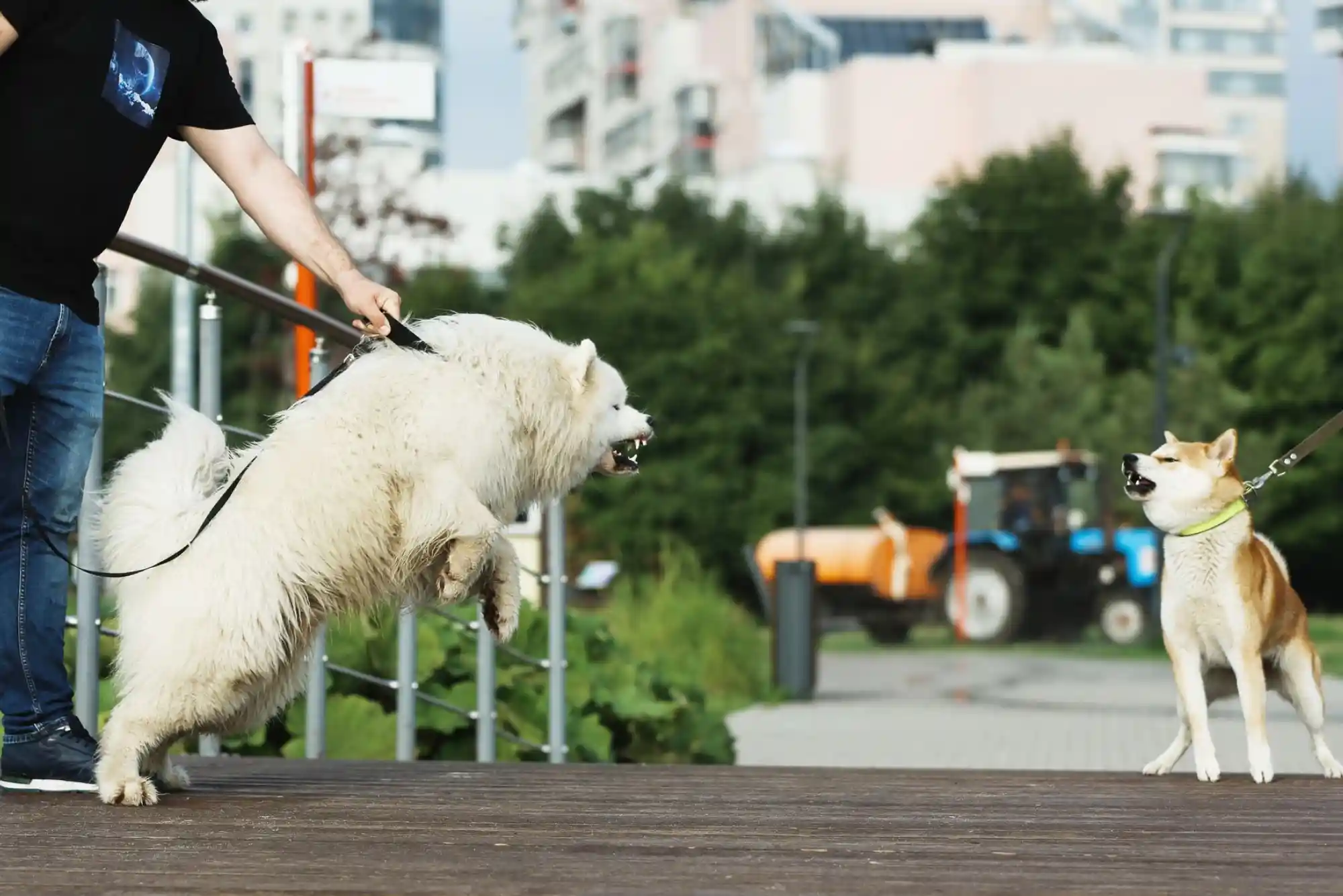
Learning how to socialize a reactive dog with other dogs safely can feel challenging for any dog owner. Your dog might bark, growl, lunge, or pull whenever another dog approaches. These reactions can make everyday walks stressful and limit opportunities for positive interactions.
However, dog reactivity does not mean your pet is aggressive or impossible to train. Many reactive dogs respond this way because of fear, frustration, anxiety, or overwhelming excitement. With patience and appropriate training, you can help your dog feel calmer around other dogs.
The key is to avoid forcing interactions and focus on building confidence. Understanding your dog’s triggers, recognizing stress signals, and creating positive experiences can make a meaningful difference. This guide explains how to socialize a reactive dog with other dogs safely while protecting everyone’s comfort and safety.
Understanding Why Dogs Become Reactive
Before starting socialization, it is important to understand what causes your dog’s reactions. Reactivity describes an exaggerated response to a particular situation or stimulus. It often appears when another dog enters your pet’s personal space.
Some dogs react because they feel frightened or threatened. Others become frustrated because they cannot approach another dog. Previous negative experiences, insufficient early socialization, and environmental stress can also contribute.
For example, a dog that was attacked previously might bark whenever another dog approaches. Meanwhile, a friendly but frustrated dog might lunge because it wants to greet every passing pet.

Understanding the underlying reason helps you choose suitable training methods. If your dog shows sudden behavioral changes, consult a veterinarian to rule out pain or other medical problems.
How to Socialize a Reactive Dog with Other Dogs Safely
Successful socialization does not require your dog to greet every dog it encounters. Instead, the goal is to help your pet remain relaxed and comfortable around other dogs.
Start at a Comfortable Distance
Distance is one of the most important tools when working with a reactive dog. Begin somewhere your dog can notice another dog without barking, lunging, or becoming overwhelmed.
This distance might be several feet for one dog and considerably farther for another. There is no universal starting point because every dog has different needs.
Watch your pet’s body language carefully. If your dog can look at another dog, respond to your voice, and accept treats, the distance may be appropriate.
If your dog becomes tense or starts barking, move farther away. Creating space is not a training failure. Instead, it helps prevent overwhelming experiences and supports better learning.
Use Positive Reinforcement
Positive reinforcement teaches dogs that calm behavior around other dogs leads to something enjoyable. Small, high-value treats can be particularly useful during training.
When your dog notices another dog from a comfortable distance, offer a treat. Continue rewarding your pet for remaining calm and looking back toward you.
Over time, your dog may begin associating other dogs with positive experiences rather than threats or frustration.
Keep training sessions short and manageable. End the session before your dog becomes tired or overwhelmed. Consistent, relaxed practice is generally more helpful than long sessions filled with stressful encounters.
Practice the Look-at-That Exercise
The look-at-that exercise helps reactive dogs notice other dogs without immediately reacting. Start with a calm dog positioned far enough away to avoid triggering your pet.
Whenever your dog looks toward the other dog, calmly mark the behavior with a word such as “yes.” Immediately provide a treat.
Your dog will gradually learn that noticing another dog predicts a reward. Eventually, your pet may look at the other dog and then voluntarily turn toward you.
Avoid demanding eye contact or correcting your dog for looking. The objective is to change the emotional response, not prevent your pet from noticing its surroundings.
Choose the Right Environment for Socialization
Your training environment can strongly influence your dog’s behavior. Busy dog parks, crowded sidewalks, and narrow walking paths often create unnecessary pressure.
Instead, begin in quiet locations with plenty of space. Open parks during less crowded hours can provide suitable opportunities for controlled practice.
Choose a calm, socially appropriate dog for planned training sessions. Ideally, the other dog should remain relaxed and avoid approaching your pet directly.
A trusted friend with a well-mannered dog can help you arrange predictable encounters. Both handlers should maintain control and communicate clearly throughout the session.
Avoid introducing your dog to several unfamiliar dogs simultaneously. Too many sights, smells, and movements can overwhelm a reactive pet and make training less effective.
Introduce Dogs Gradually
Once your dog can remain calm at a distance, you can begin carefully planned introductions. Progress slowly and allow your dog’s behavior to guide each step.
Begin with Parallel Walking
Parallel walking is often a useful alternative to direct face-to-face greetings. Both dogs walk in the same direction while maintaining enough distance to feel comfortable.
Initially, keep the dogs far apart. Reward calm behavior and gradually reduce the distance only when both dogs remain relaxed.
Watch for stiff posture, intense staring, tucked tails, repeated barking, or attempts to escape. These signals suggest that you should increase distance or end the session.
Never drag your dog closer to another dog. Allowing your pet to feel safe is more important than reaching a particular distance quickly.
Avoid Forced Greetings
Direct greetings can be overwhelming, particularly when dogs approach head-on or remain restrained by tight leashes. Even friendly dogs may feel uncomfortable under these circumstances.
Do not force your dog to sniff another dog or tolerate unwanted contact. Instead, prioritize calm observation and comfortable movement.
If both dogs consistently demonstrate relaxed body language, a brief greeting might eventually be appropriate. Keep the leashes loose when safe, and give both dogs an easy opportunity to move away.
However, some reactive dogs may never enjoy greeting unfamiliar dogs. That is acceptable. Calm coexistence is a valuable socialization outcome.
Recognize Your Dog’s Stress Signals
Learning canine body language helps you identify discomfort before a reaction develops. Early warning signs often include lip licking, yawning, turning away, freezing, and suddenly closing the mouth.
Some dogs display a stiff body, raised hackles, pinned-back ears, or an intense stare. Others become unusually restless and struggle to focus on their handlers.
A wagging tail does not always indicate friendliness. Consider the entire body, including posture, facial expression, movement, and the surrounding situation.
When your dog shows discomfort, calmly increase distance. Avoid scolding, leash jerking, or forcing continued exposure.
Recognizing stress early helps you protect your dog’s confidence and reduces the likelihood of dangerous encounters.
Manage Walks to Prevent Reactions
Everyday management is an important part of learning how to socialize a reactive dog with other dogs safely. Training becomes more difficult when your pet repeatedly experiences overwhelming encounters.
Walk during quieter hours when possible. Choose routes with wide sidewalks, open spaces, and multiple escape options.
If another dog approaches unexpectedly, calmly create distance. You can cross the street, turn around, or move behind a parked vehicle when appropriate.
Teach a cheerful emergency turn at home before using it outdoors. Practice rewarding your dog for turning with you and moving away from distractions.
Secure equipment is equally important. Use a well-fitted harness and a sturdy leash appropriate for your dog’s size and strength.
For dogs with a bite history or significant safety concerns, consult a qualified professional about additional precautions. A properly introduced basket muzzle can provide extra protection while allowing panting and treat delivery.
Common Socialization Mistakes to Avoid
One common mistake is assuming that repeated exposure will automatically eliminate reactivity. Flooding a dog with overwhelming encounters can increase fear instead of reducing it.
Another mistake is punishing barking or growling. These behaviors can communicate discomfort, and suppressing warning signals may make future interactions less predictable.
Owners sometimes progress too quickly after one successful session. However, a dog that remains calm around one familiar pet might struggle around unfamiliar dogs in another environment.
Avoid measuring success by the number of greetings your dog completes. Progress is better measured by improved recovery, relaxed body language, and the ability to remain calm at a manageable distance.
Finally, do not compare your dog with other pets. Training progress varies according to temperament, experience, environment, and individual learning needs.
When to Seek Professional Help
Professional guidance is particularly important when your dog has bitten another dog, causes injuries, or becomes difficult to control.
A veterinarian can investigate possible medical contributors and discuss treatment when anxiety significantly affects daily life. Severe fear sometimes requires a combination of behavior modification and veterinary care.
Look for a qualified, reward-based trainer or veterinary behaviorist experienced with canine reactivity. Ask about their methods, qualifications, and experience managing similar cases.
Avoid professionals who promise immediate results or rely on intimidation, painful corrections, or forced interactions. Effective behavior change requires appropriate pacing and attention to emotional well-being.
How Long Does It Take to Socialize a Reactive Dog?
There is no fixed timeline for helping a reactive dog become more comfortable around other dogs. Some dogs show improvement within several weeks, while others require months of consistent practice.
Progress often happens gradually. Your dog might first recover faster after seeing another dog, then remain calm at closer distances, and eventually manage walks with fewer reactions.
Set realistic goals and celebrate small improvements. Keep brief notes about triggers, distances, successful sessions, and difficult situations.
If your dog’s reactions become more intense, reconsider the training difficulty and seek professional advice. Moving backward temporarily can be a sensible way to protect progress.
Frequently Asked Questions
Can a reactive dog learn to get along with other dogs?
Yes, many reactive dogs can learn to remain calmer around other dogs. Improvement depends on the cause of reactivity, individual temperament, training methods, and consistency. However, some dogs may prefer distance rather than direct interaction.
Should I take my reactive dog to a dog park?
Dog parks are generally unsuitable starting points for reactive dogs. Uncontrolled approaches, crowded spaces, and unpredictable interactions can increase stress. Begin with controlled training at a comfortable distance instead.
Is it better to socialize a reactive dog on or off leash?
Use a secure leash and suitable equipment during initial training. Off-leash interactions introduce additional risks and should never be used to test a reactive dog’s behavior around unfamiliar dogs. Follow local leash laws and seek professional guidance when needed.
What should I do if my dog barks or lunges at another dog?
Stay calm and create distance without dragging your dog toward the trigger. Avoid punishment and allow your pet to recover in a quieter area. Next time, begin training farther away from other dogs.
Can two reactive dogs be introduced safely?
Sometimes, but introducing two reactive dogs requires careful assessment and controlled conditions. Their reactions may reinforce each other or escalate unexpectedly. Seek help from an experienced professional before attempting an introduction.
Conclusion
Learning how to socialize a reactive dog with other dogs safely requires patience, consistency, and a thoughtful approach. Understanding your dog’s triggers, rewarding calm behavior, maintaining appropriate distance, and introducing controlled experiences can help build confidence over time.