
Introduction
French Bulldogs have stolen hearts worldwide with their bat-like ears, compact bodies, and playful personalities. Owning one of these affectionate companions brings endless joy, but it also comes with unique responsibilities. Understanding French Bulldog Care 101: Breathing, Diet, Heat Safety, and Lifespan is essential for every pet parent who wants to ensure their fur baby thrives. Their distinct physical build creates specific health needs that set them apart from other breeds. By taking a proactive approach to their daily care, you can prevent serious health issues and enjoy a long, happy life together.
Understanding French Bulldog Care 101: Breathing, Diet, Heat Safety, and Lifespan
Proper daily management forms the foundation of lifelong health for your companion. French Bulldogs possess unique physiological traits, including flat faces, heavy torso structures, and narrow respiratory tracts. Mastering French Bulldog Care 101: Breathing, Diet, Heat Safety, and Lifespan allows you to navigate these specific traits with complete confidence. Routine vet visits, tailored daily exercises, and attentive home monitoring protect your dog from preventable medical emergencies. Knowing what to expect during every stage of life ensures your Frenchie remains energetic, comfortable, and thriving.
Managing Respiratory Health and Brachycephalic Airway Syndrome
The flat face that makes Frenchies so adorable is also the source of their most prominent health challenge. Brachycephalic Airway Obstruction Syndrome (BAOS) affects many flat-faced breeds, making breathing more difficult compared to dogs with longer snouts. Stenotic nares, or narrow nostrils, alongside an elongated soft palate, frequently restrict airway flow. You should monitor your Frenchie for heavy panting, loud snoring, and frequent wheezing during mild activity. These symptoms indicate that your pup works harder than normal to draw oxygen into their lungs.
To protect their delicate airways, always walk your Frenchie with a supportive harness rather than a traditional neck collar. Collars place direct pressure on the trachea, which can collapse or narrow under tension. Keep indoor spaces well-ventilated and dust-free to reduce respiratory irritation. If you notice persistent snorting, gagging during meals, or blue-tinted gums, consult your veterinarian immediately. Surgical options exist to widen nostril openings and trim excess palate tissue, dramatically improving airflow and overall quality of life for severe cases.
Nutrition Guidelines and Diet Strategies for French Bulldogs
Feeding a French Bulldog requires careful attention to balance, ingredients, and strict portion control. Frenchies possess sensitive digestive systems prone to food intolerances, excessive gas, and skin allergies. High-quality protein sources like chicken, turkey, lamb, or salmon should serve as the main foundation of their diet. Avoid commercial formulas filled with generic fillers, corn, soy, and artificial preservatives, as these ingredients often trigger systemic inflammation and severe gas. Many owners find success using limited-ingredient diets or grain-free formulas designed specifically for small, muscular breeds.
Maintaining an ideal body weight is arguably the most crucial aspect of Frenchie nutrition. Because their flat faces limit respiratory efficiency, extra body weight puts enormous pressure on their lungs and joints. Obesity exacerbates breathing difficulties and increases the risk of intervertebral disc disease (IVDD). Measure every meal using a dedicated measuring cup rather than free-feeding. Limit high-calorie treats and consider using low-calorie rewards like fresh blueberries, green beans, or carrot slices during training sessions.

Heat Safety Protocols and Preventing Heatstroke
Heat is the single greatest environmental danger to a French Bulldog. Unlike humans, dogs do not sweat through their skin to cool down; they rely almost entirely on panting to exchange heat. Because Frenchies have shortened airways, panting is far less efficient at reducing internal body temperature. In hot or humid conditions, a Frenchie can develop fatal heatstroke within minutes. Understanding French Bulldog Care 101: Breathing, Diet, Heat Safety, and Lifespan requires strict summer protocols to keep your dog safe when ambient temperatures rise.
Never exercise your Frenchie outdoors during the hottest hours of the day. Schedule walks for early morning or late evening when ambient temperatures drop. Keep indoor living areas air-conditioned and ensure fresh, cool water is always available. During summer outings, carry a portable cooling mat, a misting spray bottle, and plenty of water. If your dog begins excessively panting, drooling thick saliva, vomiting, or showing signs of weakness, move them to a shaded area immediately. Apply cool—not ice-cold—water to their paws and belly, and seek emergency veterinary care without delay.
Understanding French Bulldog Lifespan and Lifelong Wellness
The average lifespan of a healthy French Bulldog ranges between 10 and 12 years. Factors such as genetics, nutrition, environmental safety, and routine veterinary care play huge roles in determining where your dog falls on that spectrum. Partnering with a responsible breeder who screens parent dogs for hereditary conditions gives your puppy the best genetic start. Throughout their lifespan, staying vigilant about routine care helps expand both the quantity and quality of your dog’s golden years.
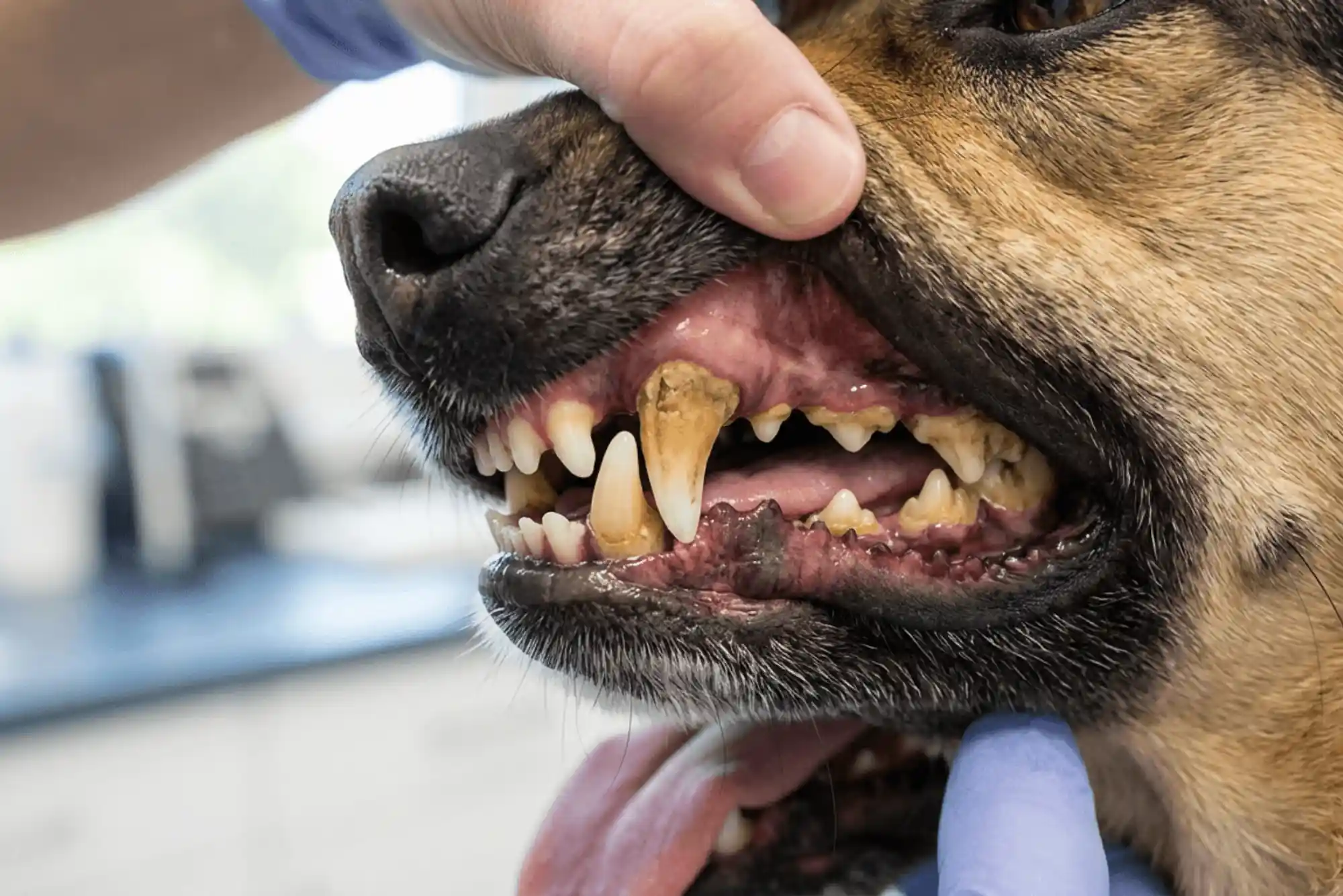
Joint health, skin fold hygiene, and spinal protection are vital components of lifelong wellness. Clean their facial wrinkles daily with damp, alcohol-free wipes to prevent bacterial and yeast infections. Provide ramp access to couches and beds to stop your Frenchie from jumping off high surfaces, which can cause severe back and disc injuries. Regular dental cleanings, joint supplements like glucosamine, and annual bloodwork catch emerging health issues early, ensuring your companion stays happy, mobile, and comfortable well into senior age.
Daily Care Checklist for French Bulldog Owners
Establishing a consistent daily routine simplifies health management and strengthens the bond between you and your pup. Morning walks should remain light, allowing your Frenchie to relieve themselves without becoming overheated. After meals, gently wipe down their facial folds and snout to remove leftover food residue and moisture. Inspect their ears and paws weekly for redness, discharge, or foul odors that signal early infections.
Exercise needs for French Bulldogs are modest compared to high-energy working breeds. Two short 15-minute walks per day, combined with interactive indoor playtime, provide sufficient physical and mental stimulation. Avoid intense fetching or rough agility drills, especially in warm weather. Prioritize interactive puzzle toys and basic obedience sessions indoors to keep their sharp minds engaged without straining their respiratory systems.
Frequently Asked Questions
What is the average lifespan of a French Bulldog?
French Bulldogs typically live between 10 and 12 years when provided with proper nutrition, heat protection, and routine veterinary care.
Why do French Bulldogs struggle to breathe in warm weather?
Frenchies are a brachycephalic breed with shortened air passages and narrow nostrils. Panting exchanges heat far less efficiently in flat-faced dogs, causing them to overheat rapidly.
How much should I feed my French Bulldog each day?
Most adult French Bulldogs require between 1 to 1.5 cups of high-quality dry food per day, divided into two meals. Exact portions depend on age, activity level, and target body weight.
Are French Bulldogs easy to train?
French Bulldogs are intelligent but possess a willful, stubborn streak. Using positive reinforcement, high-value treats, and short, fun sessions yields the best training results.
How often should I clean my Frenchie’s facial wrinkles?
You should wipe their facial wrinkles daily using a damp, gentle cloth or specialized pet wipe to remove moisture and debris before yeast or skin infections develop.
Conclusion
Caring for a French Bulldog is a deeply rewarding journey filled with love, laughter, and endless snuggles. By mastering French Bulldog Care 101: Breathing, Diet, Heat Safety, and Lifespan, you equip yourself with the knowledge needed to keep your dog healthy, comfortable, and safe through every stage of life. Protecting their breathing, managing their diet, avoiding heat hazards, and maintaining daily hygiene will pay off with a long, happy partnership. Start implementing these practical health strategies today to give your beloved companion the wonderful life they deserve. Share your favorite Frenchie care tips in the comments below or contact a local canine veterinarian to schedule your pup’s next wellness exam!