
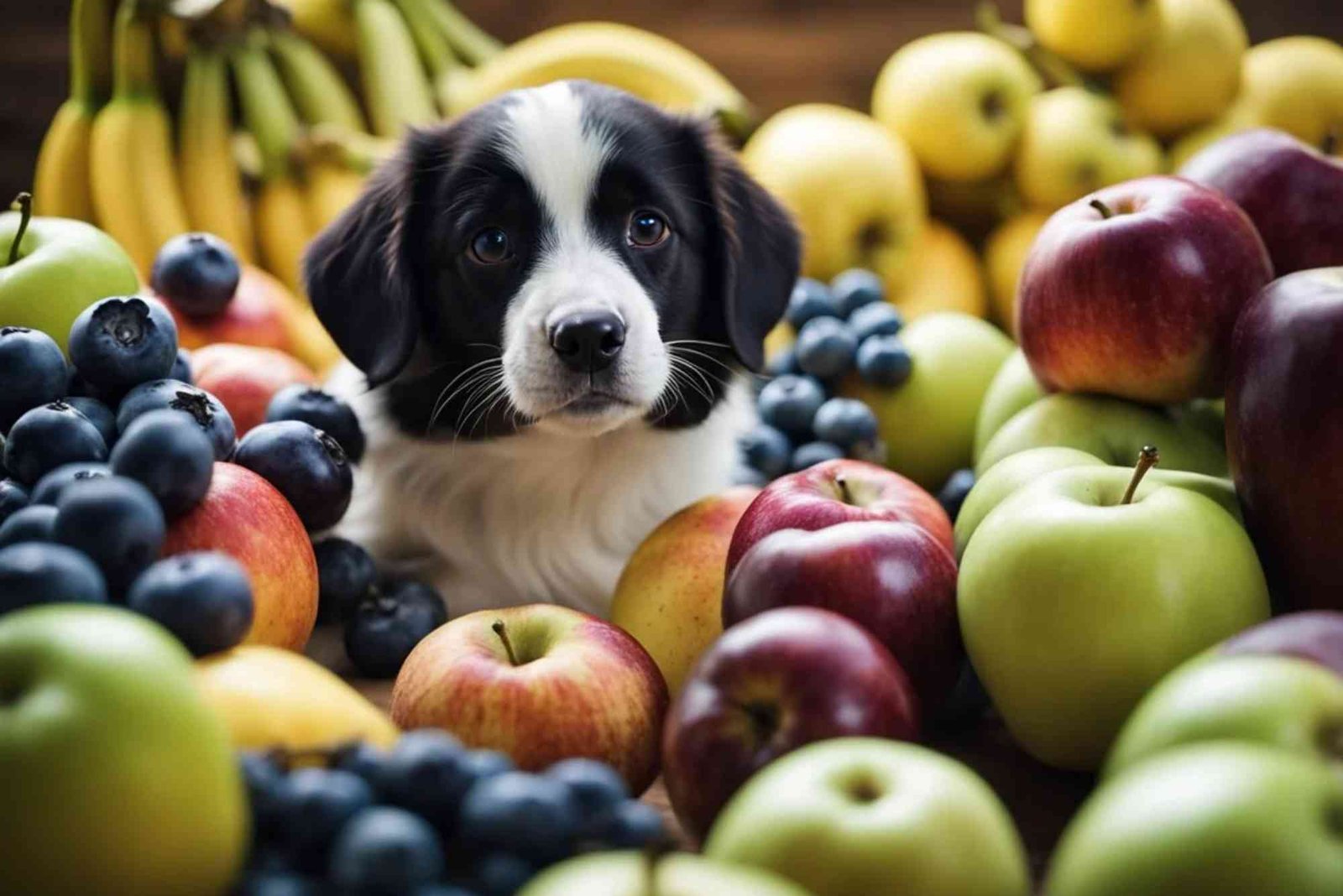
Can Dogs Eat Apples, Bananas, and Carrots? Fibre Benefits and Choking Hazard Prevention
Can dogs eat apples, bananas, and carrots? Fibre benefits and choking hazard prevention are important considerations when adding fruit or vegetables to your dog’s diet. These everyday foods can provide useful nutrients when served correctly. However, preparation and portion size matter.
Dogs have different nutritional needs from humans. Therefore, treats should complement a complete and balanced canine diet. Apples, bananas and carrots can be suitable occasional treats for many healthy dogs. Nevertheless, some parts require extra care.
The biggest concern is often choking. Large, hard or poorly prepared pieces can become difficult for a dog to swallow. Apple seeds and cores also need to be removed before serving.
This guide explains how to offer these foods safely. It also covers their fibre benefits, suitable preparation methods and common mistakes to avoid.
Can Dogs Eat Apples, Bananas, and Carrots Safely?
For most healthy dogs, plain apples, bananas and carrots can be suitable in moderation. Each food has a different nutritional profile. Consequently, they should not all be treated in the same way.
Apples provide fibre and vitamin C. Bananas contain carbohydrates, potassium and fibre. Carrots provide fibre and beta-carotene. Their crunchy texture can also make carrots an appealing occasional snack.

However, these foods should remain treats rather than meal replacements. Too many treats may contribute excessive calories. They can also cause digestive upset.
If your dog has diabetes, obesity, gastrointestinal problems or another dietary condition, speak with your vet before introducing new treats.
Can Dogs Eat Apples?
Yes, dogs can generally eat fresh apples when they are prepared properly. Apples should be washed thoroughly and cut into small, manageable pieces.
The flesh contains fibre and several nutrients. It also has a high water content, making apple a relatively refreshing treat.
However, the core and seeds should not be offered. The core can present a choking or intestinal blockage risk. Apple seeds contain compounds that can release cyanide when crushed and digested.
A few accidentally swallowed seeds are unlikely to cause poisoning in most dogs. Still, deliberately feeding seeds is unnecessary. Removing them is the safer approach.
How Should Apples Be Prepared for Dogs?
Wash the apple first to remove dirt and surface residues. Remove the stem, core and all visible seeds.
Then cut the flesh into small pieces appropriate for your dog’s size. Smaller dogs need particularly small pieces.
For dogs that eat quickly, consider grating the apple or cutting it into very thin pieces. This can reduce the risk associated with large chunks.
Avoid apple products containing added sugar, sweeteners or spices. Apple pie, caramel apples and similar desserts are not suitable dog treats.
Can Dogs Eat Bananas?
Yes, dogs can usually eat bananas as an occasional treat. Bananas are soft, which makes them easier to chew than many harder fruits.
They contain fibre and potassium. They also provide natural carbohydrates, so portion control remains important.
Bananas contain more sugar and calories than some vegetables. Therefore, large quantities may contribute unnecessary calories.
The banana peel is not considered a suitable food for dogs. It is difficult to digest and may cause digestive discomfort. Remove the peel completely before offering banana.
How Much Banana Can a Dog Eat?
The appropriate amount depends on your dog’s size, overall diet and health.
A small dog may only need a few small slices. A larger dog can generally tolerate a little more. However, banana should still represent a small portion of daily treats.
Introduce it gradually if your dog has never eaten banana. Watch for loose stools, vomiting or other digestive changes.
Can Dogs Eat Carrots?
Yes, carrots are widely used as an occasional dog-friendly snack. They contain fibre and beta-carotene, which the body can convert into vitamin A.
Raw carrots provide a crunchy texture. Cooked carrots can be softer and easier for some dogs to chew.
The main concern is size. A large carrot piece can become a choking hazard, particularly for small dogs or dogs that gulp food.
Cut carrots into appropriately sized pieces. You can also steam or lightly cook them without salt, butter or seasoning.
Are Raw Carrots Better Than Cooked Carrots?
Both can be suitable, depending on the individual dog. Raw carrots offer crunch and require more chewing. Cooked carrots are softer and may be easier for dogs with dental problems.
Cooking can also change the texture and digestibility of vegetables. However, avoid cooking carrots with onions, garlic, excessive salt or rich sauces.
Plain preparation is always the safer choice.
Fibre Benefits of Apples, Bananas and Carrots
Fibre is an important part of healthy digestion. It can help support normal bowel movements and contribute to overall gut health.
Apples, bananas and carrots all contain dietary fibre. However, their fibre content and overall nutritional profiles differ.
| Food | Potential Benefits | Main Safety Concern | Safer Preparation |
|---|---|---|---|
| Apple | Fibre, water and vitamin C | Seeds, core and large pieces | Remove core and seeds, then chop |
| Banana | Fibre and potassium | High calories and peel | Remove peel and serve small slices |
| Carrot | Fibre and beta-carotene | Large, hard pieces | Chop finely or cook until soft |
| Apple purée | Soft texture and fibre | Added sugar or sweeteners | Use plain, unsweetened purée |
| Cooked carrot | Soft texture and nutrients | Seasonings and sauces | Serve plain and cooled |
Although fibre can be helpful, more is not necessarily better. A sudden increase may cause gas, loose stools or stomach discomfort.
Introduce new foods gradually. This gives your dog’s digestive system time to adjust.
Can Apples, Bananas and Carrots Cause Choking?
Any food can potentially cause choking if it is too large, hard or poorly prepared. Therefore, choking hazard prevention is essential.
Dogs often swallow food quickly. Some dogs barely chew treats before swallowing them. This behaviour increases the importance of appropriate preparation.
Size matters particularly for puppies, toy breeds and dogs that gulp their food. Large chunks should be avoided.
Supervise your dog while eating new treats. If your dog repeatedly gulps food, use smaller pieces and slower feeding methods.
How Can You Prevent Choking?
Start by choosing food that matches your dog’s size. A piece suitable for a Labrador may be too large for a Chihuahua.
Cut firm foods into small, thin pieces. Consider cooking hard vegetables when your dog struggles to chew them.
Remove apple cores, seeds and stems. Remove banana peels completely.
Never leave a dog unattended with large chunks of fruit or vegetables. Supervision allows you to respond quickly if your dog struggles to swallow.
How Much Fruit and Vegetables Can Dogs Have?
Treats should generally remain a small part of a dog’s daily calorie intake. A commonly used veterinary nutrition guideline is to keep treats to around 10% or less of daily calories.
The remaining diet should come from nutritionally complete dog food appropriate for the dog’s life stage.
Your dog’s ideal portion depends on body size, activity level and health. A very active large dog may have different needs from a small senior dog.
If your dog gains weight after receiving frequent treats, reduce treat portions. You can also discuss suitable alternatives with your veterinarian.
What Should You Avoid Adding to These Foods?
Plain is best when preparing fruit and vegetables for dogs. Many human ingredients are unnecessary or potentially harmful.
Avoid adding chocolate, xylitol, excessive sugar, salt, butter or rich sauces. Never mix fruit with ingredients that are unsafe for dogs.
Some processed foods may contain sweeteners that are dangerous to dogs. Therefore, always check the ingredient label before sharing packaged foods.
A simple piece of fresh apple, banana or carrot is usually a better option than a heavily processed human snack.
When Should You Contact a Vet?
Most dogs tolerate small amounts of these foods without problems. PetMD Toxic Foods However, unusual symptoms should not be ignored.
Contact your vet if your dog develops persistent vomiting, severe diarrhoea, weakness, breathing difficulties or significant abdominal discomfort.
Choking is an emergency. If your dog cannot breathe, cough effectively or appears distressed, seek immediate veterinary assistance.
If your dog has swallowed a large apple core or another potentially obstructive object, contact a veterinary professional promptly.
Can Dogs Eat Apples, Bananas, and Carrots Every Day?
Dogs may be able to eat small portions regularly, but variety and moderation are important. These foods should not replace a complete canine diet.
Daily treats also need to fit within your dog’s calorie requirements. If several treats are given throughout the day, portions can quickly add up.
For some dogs, occasional treats are more appropriate. This is particularly relevant when weight management or dietary restrictions are involved.
Can Puppies Eat Apples, Bananas, and Carrots?
Puppies can often eat small amounts of suitable fruit and vegetables. However, their nutritional requirements are more specific than those of adult dogs.
Puppies should primarily receive food formulated for growth. Treats should remain limited and appropriately sized.
Soft, small pieces may be easier for puppies to manage. Always supervise a puppy when introducing a new food.
Are These Foods Suitable for Every Dog?
No single treat is suitable for every dog. Individual tolerance can vary considerably.
Some dogs may develop digestive symptoms after eating a particular fruit or vegetable. Others may have dietary restrictions that make certain treats inappropriate.
Dogs with medical conditions may require carefully controlled diets. Therefore, veterinary guidance is especially useful in those circumstances.
The goal is not to provide as many healthy foods as possible. Instead, focus on safe, appropriate and nutritionally balanced choices.
Frequently Asked Questions
Can dogs eat apples with the skin?
Dogs can generally eat apple flesh with the skin after thorough washing. However, the core and seeds should be removed. Cut the apple into small pieces before serving.
Can dogs eat bananas every day?
Dogs can eat small amounts of banana, but daily portions should remain limited. Bananas contain natural sugars and calories. Excessive amounts may contribute to weight gain or digestive upset.
Can dogs eat raw carrots?
Yes, many dogs can eat raw carrots. However, large pieces can create a choking hazard. Cut carrots into small pieces that suit your dog’s size.
What fruit is safe for dogs?
Several fruits can be suitable for dogs when prepared correctly. Apples, bananas and some other common fruits can work as occasional treats. Remove dangerous parts and avoid added ingredients.
Are carrots good for dogs?
Carrots can provide fibre and beta-carotene. They can be a useful low-calorie treat for many dogs. Portion size and preparation remain important.
Can dogs eat apple cores?
Apple cores should not be intentionally fed to dogs. They can create a choking or obstruction risk. The seeds should also be removed.
Can dogs eat banana peels?
Banana peels are not recommended as dog food. They are difficult to digest and may cause gastrointestinal discomfort. Always remove the peel first.
Final Thoughts
Can dogs eat apples, bananas, and carrots? Fibre benefits and choking hazard prevention are both important when choosing these treats. For many healthy dogs, small portions can be safe and enjoyable.
Apples provide fibre and water, while bananas offer potassium and fibre. Carrots provide fibre and beta-carotene. Nevertheless, safe preparation is just as important as nutritional value.
Remove apple cores and seeds. Remove banana peels. Cut hard foods into small pieces. Most importantly, supervise your dog when introducing new treats.
If you want to explore more suitable options, research a reliable Dog Safe Fruits List and compare treats with your dog’s nutritional needs. You can also explore Kingtimes for additional pet-related information and consult resources such as PetMD Canine Safe Vegetables.
For personalised advice, speak with your veterinarian. They can recommend suitable treats based on your dog’s age, size, activity level and individual dietary requirements.
Related Reading: Cross-border E-commerce: How UAE Businesses Thrive with Payoneer
Related Reading: The Auto Industry is Stuck in the Past. Carrectly is the Future.
Related Reading: Turning Wastewater into Yield
Related Reading: German Shepherd Diet and Nutrition: Best Food for Active Working Dogs