Introduction
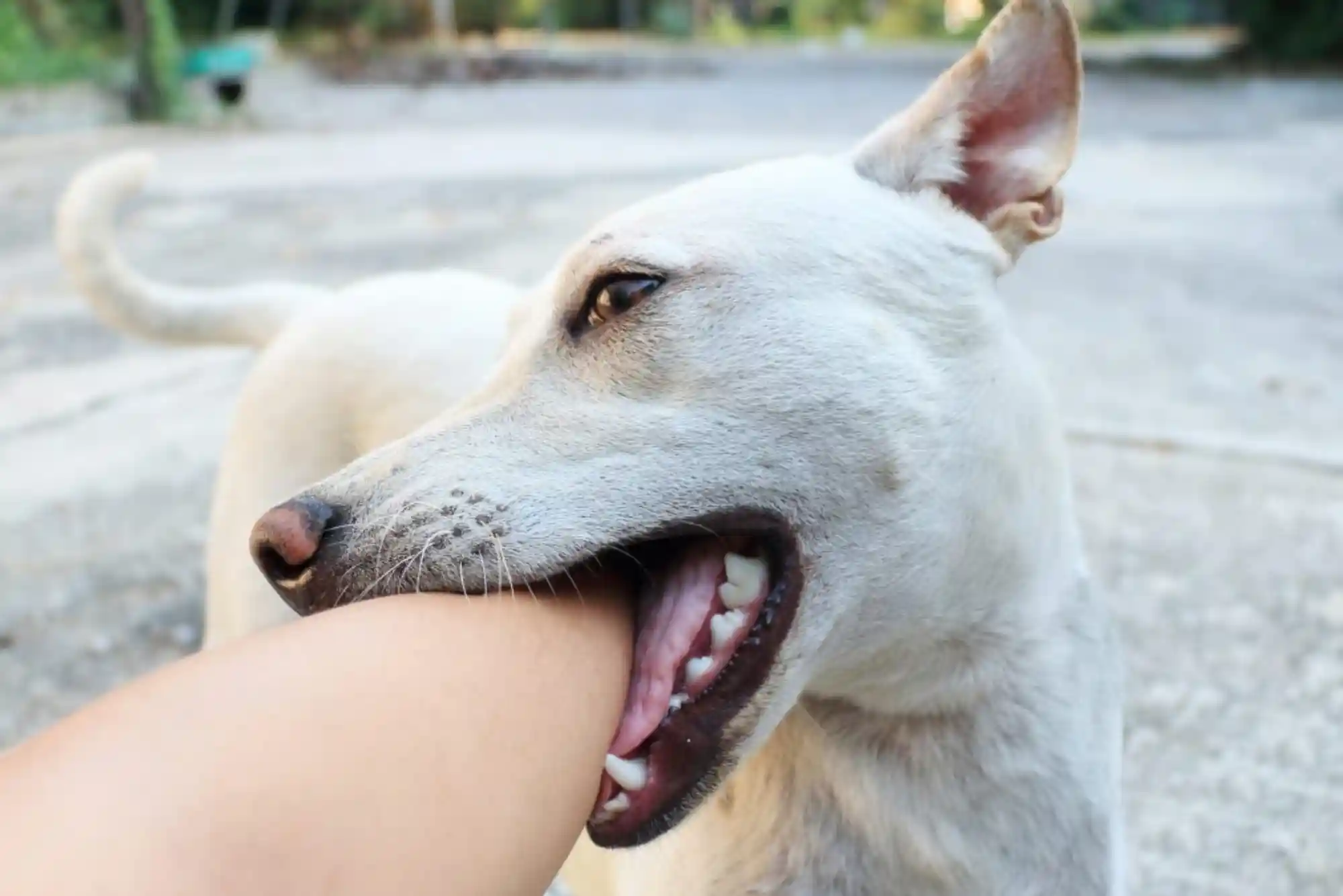
Bringing a new puppy home brings immense joy, but those needle-sharp teeth can turn playtime into a painful experience. Understanding how to stop puppy biting and mouthing hands immediately is a top priority for every new dog owner. Puppies explore the world through their mouths, using their jaws to interact with littermates, test boundaries, and process new sensations.
When puppies play together, a bite that is too hard results in a loud yelp from a littermate, immediately pausing the game. This natural process teaches them bite inhibition, which is the ability to control the force of their jaw before they learn to stop biting altogether. When a puppy enters a human home, they must learn that human skin is far more sensitive than dog fur.
Why Puppies Bite and Mouth Your Hands
Before addressing the behavior, you must understand why your puppy targets your hands in the first place. Hands are constantly moving, making them look like exciting, interactive toys to a curious dog.
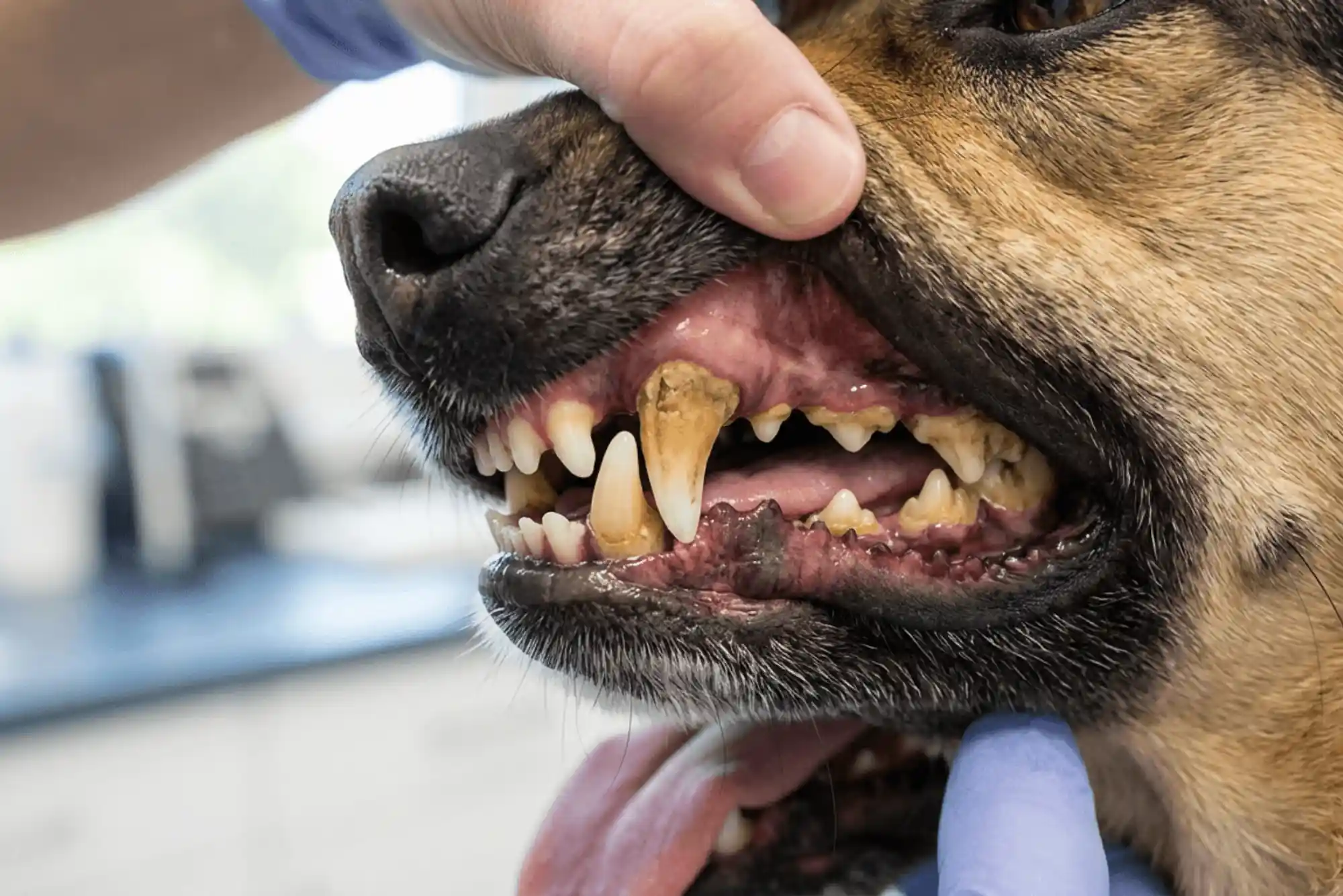
Teething is one of the primary drivers behind severe mouthing. Between 12 to 24 weeks of age, puppies lose their baby teeth as adult teeth push through their gums. Chewing on hard or cold objects helps relieve the constant ache in their mouths.
Overtiredness and overstimulation are equally common triggers. Just like human toddlers, young dogs become irritable when they exceed their stamina limits. A puppy who goes on a biting rampage in the late afternoon often needs a nap rather than additional exercise.
Immediate Techniques to Stop Hand Biting in the Moment
When jaws make contact with your skin, your reaction determines whether the behavior continues or stops. The immediate goal is to make biting hands completely unrewarding for the puppy.

Use the Freeze and Redirect Strategy
The moment you feel teeth touch your skin, let your hand go completely limp. Jerking your hand away triggers a puppy’s natural prey drive, encouraging them to chase and grab harder.
Offer a durable chew toy or a rope toy instead. Place the toy gently into their mouth so they can sink their teeth into an appropriate target. Praise them quietly as soon as they chew on the toy.
Withdraw Attention Entirely
Attention is the ultimate currency for a young dog. If redirection fails and the puppy bites your hand again, immediately stop all interaction.
Cross your arms, turn your back, and look away. By withholding eye contact, speech, and movement for 10 to 15 seconds, you deliver a clear message: biting makes the fun disappear instantly.
Implement Reverse Time-Outs
If your puppy refuses to let go or latches onto your clothing, step out of the room. A reverse time-out involves removing yourself from the puppy rather than placing the puppy in isolation.
Step behind a baby gate or shut an interior door for 20 to 30 seconds. Once your puppy calms down and places four paws on the floor, return to the space calmly. Consistency with this method quickly eliminates frantic play biting.
Long-Term Training Strategies to Prevent Mouthing
Stopping immediate biting is only half the battle. You must also implement long-term daily habits that reduce your dog’s urge to mouth hands altogether.
Provide High-Value Chews and Teething Toys
Keep a variety of textures available so your puppy stays engaged with their own items. Rubber toys filled with frozen wet food or dog-safe peanut butter work wonders for sore gums. Cold textured items soothe inflammation and keep their mouths busy for extended periods.
Establish Regular Nap Schedules
Puppies require between 18 to 20 hours of sleep every day to process learning and support healthy development. A puppy awake for more than 60 to 90 minutes continuously will often become overstimulated and bite aggressively. Use a crate or quiet exercise pen to encourage structured nap times throughout the day.
Teach Alternative Impulse Control Cues
Teaching your puppy cues like “Sit” or “Leave It” gives them a constructive focus when excitement levels rise. Ask for a sit before giving affection, meals, or opening doors. Reinforcing calm posture teaches your dog that self-control earns rewards, whereas mouthy demand behavior yields nothing.
Common Mistakes to Avoid During Bite Training
Well-meaning pet owners often make subtle training errors that unintentionally prolong the puppy biting phase. Avoiding these mistakes ensures your training produces rapid results.
Avoid physical discipline like slapping or holding the muzzle shut, as it creates fear and breaks trust. Do not engage in rough play using your hands, as this teaches puppies that human skin is a target. Avoid loud squealing if it excites your puppy further, and make sure every member of the household follows the exact same set of rules to prevent confusion.
Frequently Asked Questions
At what age do puppies usually stop biting?
Most puppies significantly reduce their biting by 5 to 7 months of age. This timeline coincides with the completion of their adult tooth eruption. With consistent redirection and bite inhibition training, mouthing should diminish entirely as they mature.
Why does my puppy bite harder when I say no?
Saying “no” with a loud or firm voice is often interpreted by a puppy as energetic vocalization or play. Your reaction gives them attention, which reinforces the behavior. Turning away calmly and removing your attention works far better than verbal scolding.
Is my puppy being aggressive when they mouth my hands?
No, playful mouthing and teething are completely normal developmental behaviors rather than true aggression. True aggression in young puppies is extremely rare and typically accompanied by stiff body posture, intense staring, and deep snarling.
Final Thoughts on Stopping Puppy Biting
Learning how to stop puppy biting and mouthing hands immediately relies on patience, clear communication, and absolute consistency. By understanding your puppy’s physical needs, removing your attention during rough play, and redirecting them to appropriate chew items, you guide them toward gentle interactions.